
Cost
What It Costs to Replace a Concrete Driveway in Gurnee
You have decided the old one is finished. Here is what replacement specifically adds on top of a new pour, and which of those costs are worth paying rather than avoiding.
Almost every cost guide you will find prices a driveway as though the space were already empty. Replacement is not that job. Four things happen before your new concrete arrives, and they are where a replacement quote separates from a new-build one.
The published starting point
HomeGuide places a two-car concrete driveway between $2,400 and $8,600 nationally, or about $6 to $15 per square foot.
Take that as the pouring half of your project. The removal half sits outside it, which is precisely why replacement bids surprise people who have only read national averages.
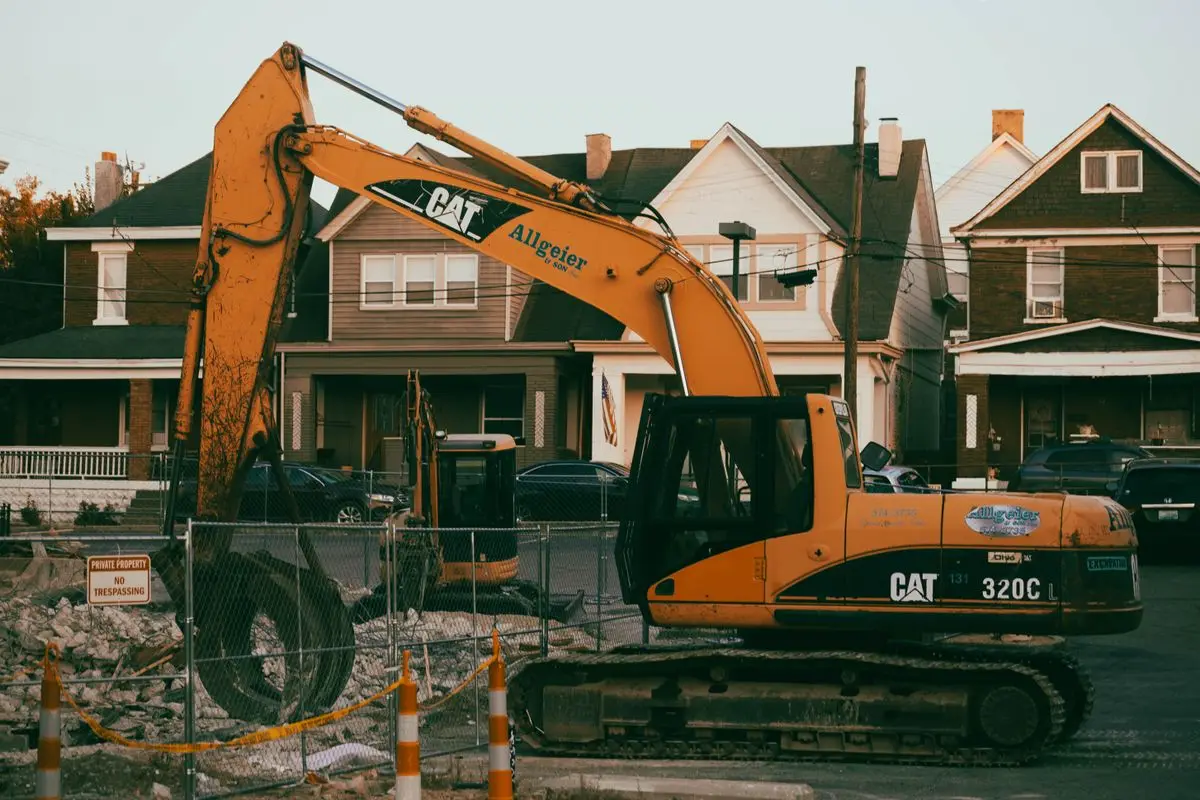
The four costs replacement adds
1. Breaking it up
Reinforced concrete does not come out politely. Depending on thickness and whether there is mesh or bar inside, it is a machine job, and the machine has to reach the driveway without wrecking the lawn getting there. Tight sites cost more here than open ones.
2. Getting it off the property
Concrete is heavy and reception facilities charge by tonnage. A two-car driveway generates real weight, and hauling it away is a priced, unavoidable step. When a bid shows demolition as a suspiciously round, small figure, that is the number to interrogate.
3. Correcting whatever failed underneath
This is the one homeowners are tempted to decline, and the one we would argue hardest for. If the previous driveway broke up early, the ground beneath it is the usual explanation. With the slab lifted you have access you will not have again for twenty years. Re-grading, replacing soft material and properly consolidating stone at that moment costs a fraction of what it costs to discover the problem again through fresh concrete.
4. Permitting the apron again
Gurnee treats right-of-way work as permitted whether you are building new or rebuilding. A replacement therefore carries the same permit, the same contractor bonding requirements and the same two inspections as a first installation. It is a schedule item as much as a cost one; what the apron permit involves covers the bond, the issuing window and who attends the inspections.
Get a real number for your replacement
Four quick questions and a local concrete contractor will be in touch to set up a free on-site estimate. No obligation, and "just pricing it out" is a perfectly good answer.
Where replacement quotes legitimately differ
Thickness of what is coming out. A four inch residential slab and an over-built six inch one are different demolition jobs. So is one with heavy reinforcement through it.
Whether the apron goes too. Rebuilding the driveway and leaving a tired apron produces a visible seam and an obvious weak point. Doing both together costs more on the day and almost always less across the life of the work.
Site access for two vehicle movements. Replacement needs machinery and haulage in, then ready-mix in. A property that is awkward for one is awkward twice.
What the ground turns out to be. Honest contractors will tell you this cannot be fully known until the slab is off. What you should expect is a stated allowance and a clear explanation of what triggers going beyond it, not silence followed by a change order.
Questions that make replacement bids comparable
- Is demolition, loading and tipping itemised, and priced on what tonnage?
- What allowance is carried for subgrade repair, and what happens if it is exceeded?
- Is the apron inside this scope, and who applies for the permit?
- What is the finished concrete depth once new stone is consolidated?
- How will machinery reach the driveway, and who reinstates any damage on the way?
The comparison that actually matters
People weigh replacement against another repair. The fairer comparison is replacement against the repairs you will keep buying. Patching treats a symptom; if the cause is below the slab, the cause is untouched, and the next failure typically appears adjacent to the last one within a couple of winters. Several rounds of that, plus the disruption each time, frequently reaches the cost of replacing once, and you have had a patched driveway throughout.
We are not going to attach an invented figure to that trade-off, because it depends on your slab. What you can do is ask any repair contractor what is causing the damage, and what they expect in three years if that cause remains. The answer tells you which side of the line you are on.
If you are still weighing the two, that decision has a page of its own: repair or replace your concrete driveway. When replacement is the answer, concrete driveway work across Gurnee and Lake County is what we do.
Protecting the investment you just made
A replacement deserves better treatment than the driveway it succeeded. No vehicles for seven days. Through the first winter, nothing but grit for traction - a fresh surface has not yet developed the strength to be frozen while it is still holding water, and chemical deicers work against it on both counts. Magnesium and calcium chloride are not the mild alternatives they are marketed as; regional ready mix guidance excludes both, and Oregon DOT testing ranked magnesium worst for strength loss among the chlorides examined.
Sources
- HomeGuide - national two-car driveway totals and per-square-foot range. Verified 2026-08-17.
- Village of Gurnee - right-of-way driveway permitting, bonding and inspections.
- Illinois Ready Mixed Concrete Association - residential driveway construction guidance.
- Oregon DOT SPR 742 - chloride deicer effects on compressive strength.